Related Articles
- Unveiling the Unthinkable: How Your Social Media Posts Could Impact Your Car Insurance Premiums
- "From Showroom to Social Media: How Dealerships are Becoming Digital Storytellers in 2023"
- "From Showroom to Stream: The Rise of Virtual Reality Test Drives at Dealerships"
- Revving Up Sales: How Virtual Reality is Transforming the Dealership Experience for Shoppers and Sellers Alike
- Selling Experiences: How Dealerships Can Transform into Immersive Automotive Entertainment Hubs
- The Surprising Impact of Your Credit Card Habits on Car Financing: What You Didn't Know!
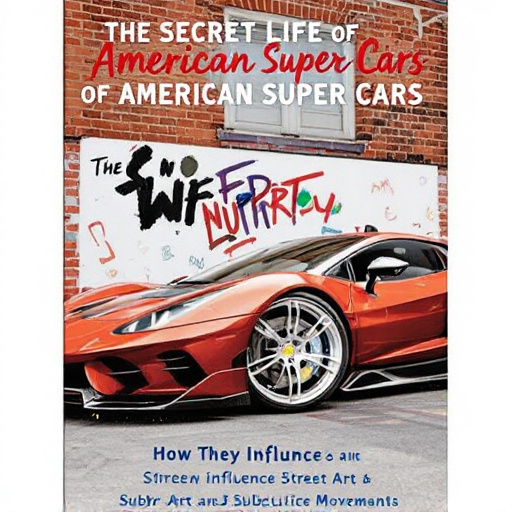
The Secret Life of American Super Cars: How They Influence Street Art and Subculture Movements
The Secret Life of American Super Cars: How They Influence Street Art and Subculture Movements
The world of American supercars is not merely a realm of speed and power; it is deeply intertwined with street art and subcultures that embrace their aesthetic appeal and cultural significance. This exploration unveils how these incredible machines ignite creativity, fuel movements, and leave indelible marks on urban landscapes and ideologies from coast to coast.
The Aesthetics of Speed: An Unlikely Canvas
Imagine a world where automotive engineering meets visual artistry. In the realm of street art, the sleek lines of a Corvette or the aggressive stance of a Mustang become more than just machinery; they morph into symbols that inspire murals, graffiti, and intricate designs that reflect the ethos of a generation.
The Connection Between Art and Automotive Design
Consider this: over 50% of street artists report that their work is influenced by popular culture, and car culture is a significant aspect of that. Artists like Shepard Fairey have incorporated imagery of classic cars into their works, making a statement about nostalgia, identity, and rebellion.
Supercars like the McLaren P1 and Nissan GT-R embody not just a style but also an attitude. Their striking visuals appeal to both car enthusiasts and artists, leading to a fusion of two communities, each enriching the other.
A Day in the Life of a Street Artist
Let’s take a narrative trip down the alleys of Los Angeles, a thriving hub for street art. Meet Tarik, a 28-year-old street artist whose latest piece is a massive mural on the side of a crumbling warehouse. Inspired by the unique, aerodynamic shapes of American supercars, his work features a luminous Dodge Viper entwined with a serpentine dragon, symbolizing speed and power.
"Cars have always been about more than transportation for me," Tarik explains. "They represent freedom, culture, and the rebellion that art itself embodies." This layer of multifaceted meaning reflects the symbiosis between the automotive world and the artistic landscape.
Subcultures and Car Culture: More Than Just Fans
If you think you’re just a car enthusiast, think again—you're part of a larger story. Car clubs across America are gathering points where art and automotive passion collide. From muscle car gatherings to ultra-modern supercar exhibitions, these events often feature live street art demonstrations, showcasing artists painting amidst the throaty growls of revving engines.
Statistics that Drive the Subculture
Did you know that in 2022, the U.S. automotive aftermarket industry was valued at approximately $305.5 billion? A significant portion of that market caters to customizing vehicles, a practice that has driven street artists to collaborate on projects. Custom paint jobs inspired by popular street art themes have become a mainstay, with enthusiasts eager to make their vehicles not just performance machines but also mobile art installations.
American Icons: The Cars that Shaped Generations
When we think of American supercars, names like Lamborghini, Ferrari, and Pagani flash through our minds. However, it’s vital to remember the homegrown legends: the Ford Mustang, Chevrolet Corvette, and Dodge Charger. Each of these vehicles carries a unique story that resonates within various subcultures, inspiring artists to capture their essence on city walls.
For example, a classic '68 Mustang might appear in an urban mural alongside iconic hip-hop lyrics, symbolizing the bridge between automobile craftsmanship and the language of the streets.
The Comic Relief: Humor and Supercars
Ever seen a cartoon featuring a rebellious car with a spray can? It might sound silly, but humor plays a significant role in how street art and car culture coexist. Artists like C215 often inject humor into their work, portraying cars with character traits—what if your Mustang had a personality and liked to party after all those weekend drives?
It creates a more relatable narrative, inviting laughter while still respecting the vehicle's power and legacy.
The Case Studies: Artists Making Waves
Artists such as RISK and RETNA stand at the intersection of street art and car culture. RISK's work has famously featured intricate patterns inspired by car graphics, which he integrates into large-scale installations. Meanwhile, RETNA’s unique script can be seen wrapping around classic Chevys at car shows, drawing admirers from diverse backgrounds.
Retelling the American Car Mythos
Some argue that American supercars represent the “American Dream”—the pursuit of excellence and the idea that hard work leads to success. Street artists often reinterpret this concept, creating pieces that challenge traditional narratives surrounding vehicles and those who drive them. A massive mural depicting a dilapidated muscle car, embellished with vibrant graffiti, can tell a story of rise, fall, and resilience in urban communities.
Street Art as a Form of Resistance
For many artists, this blend of automotive iconography and street art transcends mere aesthetics; it becomes an act of resistance. When they paint decrepit cars or transform luxury supercars into rebellious symbols, they reclaim space in a world where grassroots culture often clashes with commercial interests. From Oakland to Brooklyn, the idiom "If you can’t afford it, paint it!" reverberates as a mantra reflecting how art can challenge societal norms.
The Influential Circle: Car Events and Artistic Collaboration
Car shows have evolved beyond mere exhibitions of horsepower. They are cultural fairs where street art, music, and automotive enthusiasts converge to celebrate their shared passions. At events like The SEMA Show or Monterey Car Week, you’ll find live painting events, murals celebrating car culture, and even art auctions featuring pieces inspired by the automotive world.
Examples of Fusion Events
In 2019, the Kustom Kulture Art Show showcased car culture alongside street art, culminating in an exhibit where large-scale paintings of supercars were auctioned to benefit local art programs. This blending of disciplines not only elevates car culture but also provides support for the arts, ensuring that future generations can express themselves creatively.
One artist, Jessica "Jess" Lively, sold her paintings, featuring a vibrant take on the Chrysler 300, raising $10,000 for a local school’s art program in the process. That's street art with a cause!
Final Thoughts: The Road Ahead
The influence of American supercars on street art and subculture is a continually evolving narrative. As both automobiles and art push boundaries, they elevate each other's presence in society. The vibrant collaboration seen today will likely expand, reflecting changes in tastes, technology, and cultural priorities.
In fact, we might soon see augmented reality layers on murals that allow viewers to experience not just the art but the roar of an iconic engine, taking the fusion of these worlds into an immersive realm.
So next time you cruise down a city street and spot a piece of street art featuring your favorite supercar, take a moment to appreciate the artistry behind it. These creations are more than just colorful splashes of paint; they symbolize deep cultural connections, stories, and the unbreakable bond between art and the road.
Read More