Related Articles
- The Bizarre World of Car Colors: How Hue Affects Safety and Stigma on the Road
- "From Showroom to Stream: The Rise of Virtual Reality Test Drives at Dealerships"
- Selling Experiences: How Dealerships Can Transform into Immersive Automotive Entertainment Hubs
- The Surprising Impact of Your Credit Card Habits on Car Financing: What You Didn't Know!
- Unveiling the Unthinkable: How Your Social Media Posts Could Impact Your Car Insurance Premiums
- Revving Up Curiosity: The Hidden World of Celebrity Car Collectors and Their Quirky Rides
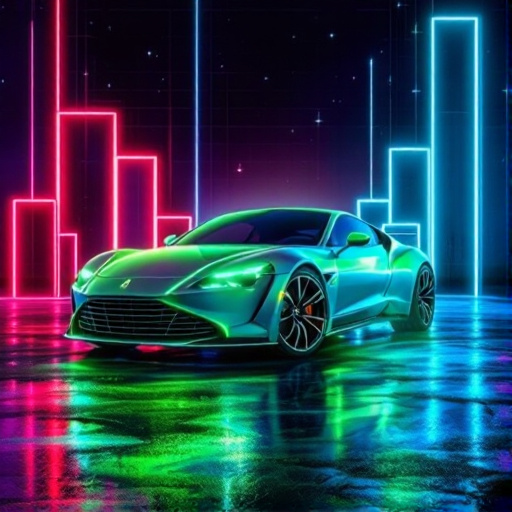
"Navigating the Neon: The Rise of Color Psychology in Car Buying Decisions Unveiled"
"Navigating the Neon: The Rise of Color Psychology in Car Buying Decisions Unveiled"
In today's world, car buying has evolved into more than just a transaction; it’s a psychological journey, with color playing a pivotal role in decision-making. As consumers navigate through the myriad of options, understanding how color influences emotions can ultimately steer their choices, revealing the compelling relationship between color psychology and automobile purchases.
The Psychology Behind Color Choices
Color psychology is a fascinating field rooted in the study of how various colors impact individual emotions and behaviors. According to a study conducted by the Institute of Color Research, 85% of consumers make decisions subconsciously based on color alone. To put it bluntly, your car's color could make or break your buying process.
The Power of Red
Consider red, often associated with passion, energy, and excitement. It's no surprise that red cars command attention and often signify a bold personality. A renowned car marketing firm, AutoPacific, found that red is the most popular color among youthful first-time car buyers. In fact, one might argue that a red car screams, "Look at me!" while a more subdued hue might signal the opposite.
Case Study: Ford Mustang
The Ford Mustang is an iconic car that embodies the spirit of freedom and adventure, with red often being its standout color. A survey revealed that over 40% of Mustang buyers opted for red as their chosen color, proving that color and brand image go hand in hand. The Mustang represents more than just a mode of transportation; it encapsulates a lifestyle, appealing to those who crave excitement.
Anecdotal Evidence: My Car-Buying Experience
Let me take you back to my own experience of purchasing my first car at the age of 23. I walked into the dealership with an open mind, but as soon as I laid eyes on a sparkly blue hatchback, I felt an inexplicable connection to it. It reminded me of summer days at the beach, and without thinking twice, I bought it—much to my parents' dismay who thought I should’ve opted for something more practical. This pivotal moment made me realize how powerful color can be in evoking memories and feelings.
Staying Calm with Blue
On the flip side, blue often represents calmness, trust, and stability. Many manufacturers leverage this by marketing sedans and family vehicles in shades of blue. In fact, a recent Consumer Reports survey indicated that blue car owners felt a stronger sense of security compared to those who drove other colors. When buying a car—the second-largest purchase most people make—many prefer to feel at ease with their choice.
Statistics Say It All
A survey conducted by the car manufacturer Volkswagen found that 33% of respondents stated they would consider a blue car over any other color. These statistics align neatly with the perception of blue as a color that instills feelings of peace and confidence—a must for parents navigating busy urban jungles.
Neutral Tones: The Silent Winners
In a world bursting with vibrant hues, it’s interesting to see the rise of neutral tones like gray, black, and white. These colors often exude sophistication and timelessness, making them particularly appealing to drivers aged 30 and above who might be focused on practicality and resale value. This demographic views neutral colors as less flashy, but often more sophisticated and appealing to a broader audience.
The Case of Luxury Cars
When it comes to luxury cars, the preference for neutral colors becomes even clearer. According to a study by iSeeCars, 55% of luxury vehicle purchasers opted for gray or black cars. These colors not only suggest elegance but also tend to hold resale value better, an essential factor for many buyers.
The Gen Z Perspective: Bold and Unique
As we dive deeper, let’s not forget the influence of Generation Z on the car market. Featuring a penchant for self-expression, they are increasingly drawn to bold colors and designs. A 2021 survey indicated that over 47% of Gen Z respondents were more likely to choose vibrant colors like mint green or sunset orange when selecting a car, aligning with their desire for individuality and funky style.
Add Some Humor: The Unfortunate Beige Car
If you’ve ever encountered someone proudly stating they own a beige car, you might be reminded of that classic joke: “Why did the beige car cross the road? To avoid any attention!” It's true; beige cars are often seen as the wallflowers of the automotive world, shying away from vibrant conversation. But we know different hues can ignite very different responses—could it be that those beige drivers are just in denial about their adventurous side?
Color Choices by Age Group: A Breakdown
Understanding the different age groups and their preferences helps dealerships better cater to their customers. Below is a breakdown of popular choices:
- Teens (16-19): Bright colors like neon green or bright pink tend to be favored.
- Young Adults (20-30): Vibrant colors and sporty designs—think red and yellow.
- Adults (31-50): Classic neutral colors, but with the occasional bold accent.
- Seniors (51+): More muted tones like gray, silver, or black are preferred.
The Emotional Connection: Why Does It Matter?
This emotional connection we forge with colors goes beyond mere preference—it's a powerful marketing tool. Studies indicate that car manufacturers who consider color psychology in their strategies often see a significant uptick in sales. One case in point: Tesla's introduction of their eye-catching “Raven” blue, which contributed to a 15% increase in sales during the quarter following its release.
Color Trends: The Aftermath of COVID-19
Emerging research has shown that post-COVID-19, consumers are gravitating toward colors that evoke comfort and stability. This has led to a resurgence in popular colors like earth tones and soft ambers, providing a sense of reassurance amid chaos. Depicting this trend, the automotive industry has seen a rise in vehicles painted in warm hues that reflect a deep-seated yearning for connection and familiarity.
Crafting the Perfect Color-Centric Marketing Campaign
From a marketing perspective, car dealerships can create compelling campaigns centered on color that resonate with their target audience. Consider incorporating color psychology themes into promotional materials—ads emphasizing the invigorating feeling of driving a red sports car, contrasting it with the calmness promised by a navy sedan. Infusing emotional appeal into marketing can make a substantial difference in sales performance.
The Role of Social Media in Color Trends
Social media has become a pivotal platform for showcasing vibrant car colors, as potential buyers often seek validation through likes and shares. Platforms like Instagram and TikTok amplify the impact of color choices on consumers aged 16-30. Influencers showing off their shiny yellow cars create a ripple effect, swaying their followers to consider similar color choices while shopping for their own vehicles.
The Future is Bright: What Lies Ahead
As we look toward the future, it becomes evident that color will continue to shape car-buying decisions in profound ways. With advancements in technology, it's predicted that smart cars will also play a role in this arena—consumers may choose their color options through apps that render various hues on their desired car model, tapping into their emotions for a more immersive buying experience.
Final Thoughts: An Emotional Journey
Ultimately, the process of buying a car is about much more than finding a model that suits one’s needs; it’s an emotional journey influenced heavily by color psychology. By understanding how colors impact feelings, perceptions, and even decisions, consumers can navigate the complex landscape of car buying more wisely. To bring it full circle, whether you align with the fiery red of a Mustang or the peaceful blue of a family sedan, your choice resonates deeply, potentially shaping your driving experience for years to come.
So next time you hit the dealerships, take a moment to consider: How does the color of that car make you feel? Because sometimes, a simple hue can tell the world exactly who you are.