Related Articles
- The Bizarre World of Car Colors: How Hue Affects Safety and Stigma on the Road
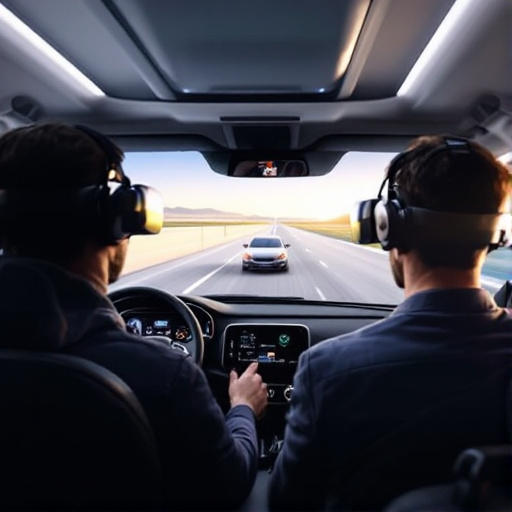
- "From Showroom to Stream: The Rise of Virtual Reality Test Drives at Dealerships"
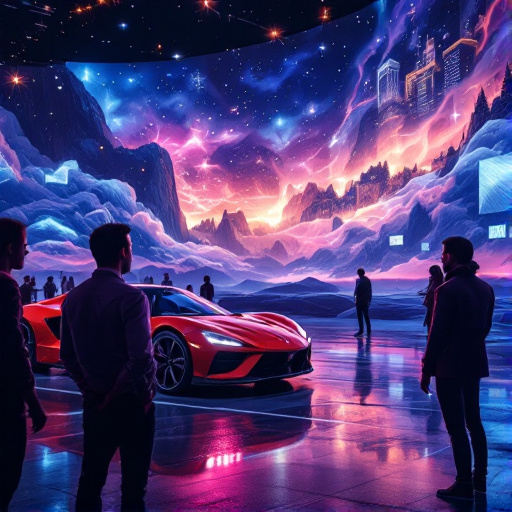
- Selling Experiences: How Dealerships Can Transform into Immersive Automotive Entertainment Hubs
- The Surprising Impact of Your Credit Card Habits on Car Financing: What You Didn't Know!
- Unveiling the Unthinkable: How Your Social Media Posts Could Impact Your Car Insurance Premiums
- Revving Up Curiosity: The Hidden World of Celebrity Car Collectors and Their Quirky Rides
"From Showroom to Stream: The Rise of Virtual Reality Test Drives at Dealerships"
"From Showroom to Stream: The Rise of Virtual Reality Test Drives at Dealerships"
As technology continues to reshape every facet of our lives, virtual reality (VR) is increasingly finding its way into car dealerships, offering immersive test drives that redefine customer experience. This transition from traditional showroom floors to lively digital landscapes is not merely a trend; it heralds a new era of car shopping that’s as thrilling as it is convenient.
The Birth of Virtual Reality in the Automotive Sector
The concept of virtual reality test drives is not as new as one might think. Way back in the early 1990s, technology companies like Virtuality Group introduced VR systems in theme parks. However, it wasn’t until recent technological advancements and the boom of consumer VR headsets—like the Oculus Rift and HTC Vive—that automotive manufacturers and dealers began to see the potential for VR in the car-buying journey.
Why Dealerships are Embracing Virtual Reality
So what exactly is driving this shift? One word: engagement. With less than 10% of potential car buyers opting for a visit to a dealership, according to a survey by the Automotive Research Institute, dealers are in desperate need of a way to catch and hold a customer's attention. VR test drives can draw people in with the promise of experiencing various vehicles from the comfort of their homes or local dealerships.
Statistics Show a Shift in Consumer Behavior
A Consumer Technology Association 2023 report stated that 77% of consumers are more likely to buy a product or service after experiencing it through VR. With these striking figures in mind, it’s clear that consumers are ready for this technological leap. More advanced generation models, which include electric vehicles (EVs) and autonomous cars, can also benefit from employing VR to thoroughly demo their features, instead of relying on old-school descriptions.
Immersive Experience – A Story of Transformation
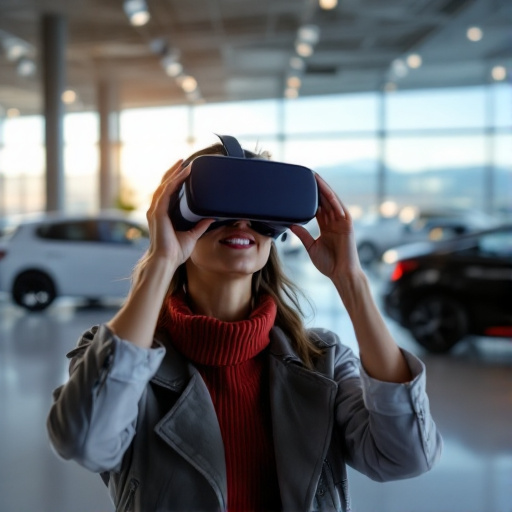
Imagine walking into a dealership, your senses assaulted by the smell of new leather and the perfection of shining metal. You’re greeted by a friendly sales associate who offers you a headset. “Why not take a virtual spin?” they say, smiling as they hand it to you. This isn’t some gimmick; it’s a chance to drive that glossy new electric SUV over a realistic mountain pass without leaving your seat. Researchers at MIT noted that immersive experiences can enhance a consumer’s emotional engagement by up to 30%, making them more likely to complete a purchase.
Benefits for Dealerships and Manufacturers
For dealers, employing VR technology is not just glam; it’s a hard-nosed business strategy. By offering virtual test drives, dealerships can showcase more vehicles without requiring physical space for each one. This means that instead of stacking cars on lots, they can filter them through a VR platform. Sales conversions can experience a tremendous lift; according to a study by Frost & Sullivan, dealers utilizing VR reported an increase in sales of about 35% after implementing VR test drives.
Consumer Perception and Comfort
Many consumers, especially those between the ages of 16 and 34, are familiar with technology and are more prone to adopt such innovations. Research from Statista indicates that over 73% of younger consumers view VR positively, considering it a valuable tool in their shopping experience. Honing in on this demographic, automotive companies are crafting entire campaigns focused on how virtual technology can streamline and enhance their buyer's journey.
The Role of Social Media
If you've ever scrolled through Instagram or TikTok, you know that social media is heavily saturated with automotive content. With platforms like Snapchat introducing AR/VR features, dealers can leverage this space to engage their consumers. Imagine snapping a quick VR test drive and sharing it on your story, leaving your friends debating whether to check out the new ride together. This social experience can amp up interest even before the dealership catches wind.
Challenges Ahead
Despite the promising benefits, transitioning to a VR-enabled experience isn’t without its bumps. One notable challenge is the hefty cost of developing or purchasing VR systems. Many smaller dealerships may balk at the initial investment, especially when they are making up for lost profits in a post-pandemic landscape. Moreover, training staff to use this technology effectively requires added resources.
Building a Community around VR
To address these challenges, dealerships can host VR community nights, inviting locals to come in and experience the technology firsthand. These events can further elevate the dealership's presence and entice people who may not be in the market for a vehicle to come check out the latest innovations. According to research by Eventbrite, 84% of people respond positively to in-person experiences when combined with digital outreach—this could transform your dealership into a local hub for automotive enthusiasm.
Case Study: A Dealer in Action
Take ABC Motors, for example—a dealership based in California that introduced VR test drives last year. They reported a staggering 50% increase in foot traffic during the initial months after deployment. Customers could engage in a test drive of a car they were interested in while waiting for their actual vehicle to be serviced. Even those who were window-shopping found themselves immersed, leading to some unexpected sales.
With similar success stories emerging across the nation, it’s hard to ignore the glow of VR’s horizon.
The Future is Bright – Looking Ahead
So, what does the future look like? Many industry experts predict we will see an uptick in hybrid models for car purchasing—part online, part in-store. With a nod to the past and a gaze toward technological advancements, dealers can redefine the automotive landscape.
Government Regulations and Safety Considerations
As we plunge further into the world of virtual cars, there are significant conversations bubbling around regulations and safety. While driving a VR car might sound fun and games, ensuring that such experiences do not lead to misconceptions about real-life driving is paramount. Future regulations may require clearer guidelines on how VR should be produced and presented.
Conclusion: Ride the Wave of Change
Though we stand on the cusp of a significant transformation in how cars get sold, embracing VR can lead to greater sales, enhanced customer experience, and above all, a future in which car buying is as exhilarating as driving itself.
For someone who grew up relishing the idea of driving fast cars—in person and in the digital realm—it’s astonishing to ponder the world that lies ahead. As the horsepower of technology thrusts forward, we need only to take a VR test drive to see just how exhilarating it can really be. Welcome to the future! Buckle up!
Read More