Related Articles
- The Bizarre World of Car Colors: How Hue Affects Safety and Stigma on the Road
- "From Showroom to Stream: The Rise of Virtual Reality Test Drives at Dealerships"
- Selling Experiences: How Dealerships Can Transform into Immersive Automotive Entertainment Hubs
- The Surprising Impact of Your Credit Card Habits on Car Financing: What You Didn't Know!
- Unveiling the Unthinkable: How Your Social Media Posts Could Impact Your Car Insurance Premiums
- Revving Up Curiosity: The Hidden World of Celebrity Car Collectors and Their Quirky Rides
Selling Experiences: How Dealerships Can Transform into Immersive Automotive Entertainment Hubs
Selling Experiences: How Dealerships Can Transform into Immersive Automotive Entertainment Hubs
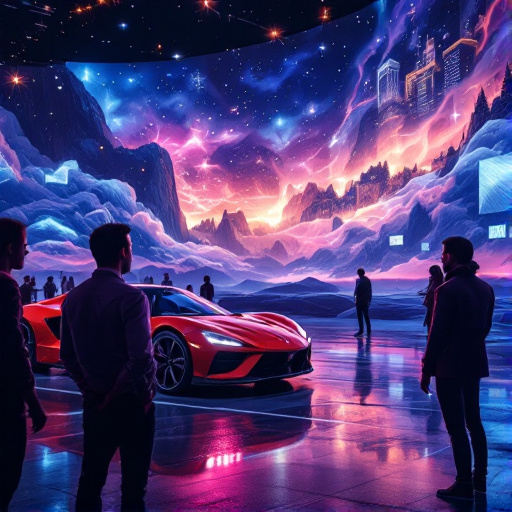
As the automotive industry shifts, dealerships have an unprecedented opportunity to transform from traditional sales centers into immersive automotive entertainment hubs. By crafting experiences that engage and delight customers, dealerships will not only increase sales but also forge lasting relationships with their clientele.
The Shift in Consumer Expectations
Today's consumers are looking for more than just a transaction; they want an experience. In fact, according to a study conducted by Eventbrite, 78% of millennials would rather spend money on experiences than on material goods (Eventbrite, 2018). This growing preference for experiences over products means that dealerships must adapt to this new paradigm or risk becoming obsolete.
Your Dealership as a Destination
Imagine walking into a dealership that feels less like a sterile showroom and more like a vibrant community hub—a place where families gather for weekend events, car enthusiasts meet for workshops, and tech-savvy individuals can explore the latest automotive innovations. This is what transforming dealerships into immersive entertainment hubs looks like.
Creating Engaging Experiences
So, how can dealerships create these engaging experiences? One route is to host interactive events that teach customers about automobile maintenance, driving safety, or the latest automotive technologies. For example, a dealership might offer a "Car Care 101" workshop that includes hands-on sessions where customers learn to change their oil or check their tire pressure. Not only does this empower customers, but it builds trust and establishes the dealership as a valuable resource.
Utilizing Technology
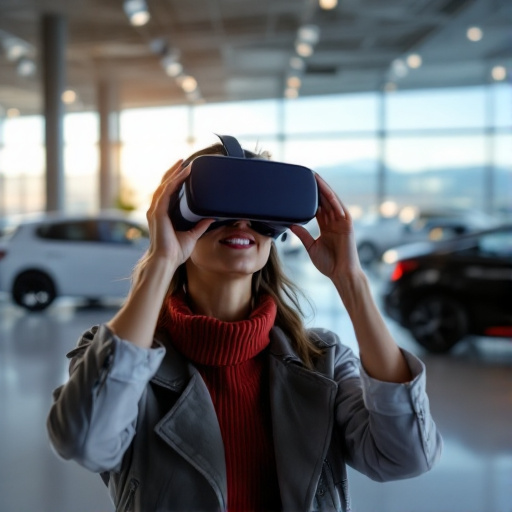
Think of Tesla and its online model: the showroom experience can be revolutionized by incorporating augmented reality (AR) and virtual reality (VR) experiences into the dealership environment. Picture a customer who walks in and, instead of merely browsing vehicles, dons VR goggles that allow them to "test drive" various models on stunning virtual landscapes. This kind of tech immersion can turn vehicle shopping into a thrilling adventure.
The Success of Immersive Experiences
Automotive dealerships that have already recognized the need for transformation are beginning to see significant benefits. A notable example is the Ford dealership in Chandler, Arizona, which revamped its space to incorporate an interactive children's play area. Since implementing the changes, customer visits have increased by 40%, which has had a positive effect on sales (Forbes, 2021).
Participating in the Community
Additionally, being a true part of the community can enhance a dealership’s appeal. Hosting local events that rally the community—like a charity car wash or a car show featuring local businesses—invites positive interactions and fosters goodwill. Remember the age-old saying, “People buy from people.” By positioning the dealership as a nexus of community activity, dealerships can bolster their attractiveness and trustworthiness.
Marketing the Experience
In order to effectively market these new immersive experiences, dealerships will need to deploy a multi-faceted approach. Social media platforms such as Instagram and TikTok are ripe for showcasing events that promise fun and engagement. Using these channels for livestreaming car shows or tutorials can attract audiences far beyond their local area.
Anecdotal Evidence
Let’s not forget the power of anecdotes. Take a family preparing to buy their first car. They show up amid the excitement of a community event at their local dealership, where vibrant music fills the air, various entertainment options abound, and there’s even a food truck serving delicious treats. Are they likely to consider purchasing from this engaging dealership over another mundane option? Absolutely!
Catering to Different Age Groups
It's essential for dealerships to tailor experiences to various age groups. While older clientele might appreciate classes on vehicle maintenance or safety, younger audiences might be attracted to tech demonstrations and gamified buying experiences. For instance, creating a mobile app that gamifies the car-buying process could help engage tech-savvy customers aged 16-30.
The Anecdote of Sam
A few months ago, I accompanied my younger cousin Sam, an aspiring car enthusiast. His eyes lit up as he entered the local dealership, which had set up an F1 racing simulation in the corner, surrounded by sleek cars. After a couple of rounds of racing and the chance to interact with knowledgeable staff, Sam had made up his mind about purchasing his first vehicle. It's these immersive experiences that shape decisions in favor of a dealership.
Crafting Tailored Experiences
This strategic catering could also extend to financing options. As millennials face different financial pressures compared to previous generations, offering seminars on budgeting for a car or innovative leasing options can address their needs and create a more attractive purchasing environment.
The Emotional Connection
At the heart of all successful dealerships lies an emotional connection. When customers feel valued and engaged, they are more inclined to return and become brand advocates. Tell a story of how you purchased your first car, or remind customers of their own childhood memories tied to automobiles. It’s the emotional elements—those nostalgic moments—that can tip the scales toward brand loyalty.
Effective Follow-ups
Don’t forget the importance of effective follow-ups. After the sale, whether it’s sending a thank-you card or offering a free car wash, these gestures remind customers of the experience they had. Follow-up events that invite customers back can also foster community and build relationships. Perhaps a 'Customer Appreciation Day' where prior customers can enjoy complimentary tapas and drinks while interacting with staff is a powerful way to keep the connection alive!
Feedback Goldmine
Don't forget about feedback! Encouraging customers to talk about their experiences not only makes them feel valuable but also provides critical insights into how to improve. Creating an easy-to-complete feedback section on a dealership’s website can help capture thoughts and even testimonials that can be shared on social platforms.
The Challenges Ahead
Even with all these opportunities, the transformation won’t come without challenges. Staff training is vital—employees must be well-versed in customer service techniques that prioritize experience. Understanding how to engage visitors effectively can be the difference between a long-term customer relationship and one-off visits.
Pushing Back Against Traditionalism
Another hurdle is the resistance from traditionalists within the organization who may be skeptical about changing the business model. To combat this, leadership should offer training sessions illustrating the financial impact and success stories of dealerships that have embraced experience-driven sales. The numbers don’t lie; Automotive News states that dealerships focusing on customer experience can see sales boosts of up to 30% (Automotive News, 2022).
Finding the Right Balance
Furthermore, finding the right balance between entertainment and selling is crucial. You can host engaging events all day long, but if customers aren’t converting into sales, they don’t add up financially. Offer something that can both entertain and convert potential buyers; for example, test drives paired with an exclusive event could create urgency and excitement.
Conclusion: The Future is Experiential
In conclusion, the evolution of automotive dealerships into immersive entertainment hubs is not just a trend—it's a necessity to stay relevant in a fast-paced industry. By focusing on creating unforgettable experiences, embracing technology, and fostering community connections, dealerships can adapt to the changing expectations of consumers. The path ahead may be challenging, but those who embrace it can drive toward lasting success in the automotive world.
So, whether you're a dealership owner or a car enthusiast, remember that the key is to create experiences that resonate on an emotional level. The next time you step into a dealership, look beyond the cars—embrace the potential for celebration, connection, and, ultimately, an unforgettable experience.
Read More