Related Articles
- The Bizarre World of Car Colors: How Hue Affects Safety and Stigma on the Road
- "From Showroom to Stream: The Rise of Virtual Reality Test Drives at Dealerships"
- Selling Experiences: How Dealerships Can Transform into Immersive Automotive Entertainment Hubs
- The Surprising Impact of Your Credit Card Habits on Car Financing: What You Didn't Know!
- Unveiling the Unthinkable: How Your Social Media Posts Could Impact Your Car Insurance Premiums
- Revving Up Curiosity: The Hidden World of Celebrity Car Collectors and Their Quirky Rides
The Rise of Virtual Reality Tours: Transforming Car Dealerships into Immersive Shopping Experiences
The Rise of Virtual Reality Tours: Transforming Car Dealerships into Immersive Shopping Experiences
The rise of virtual reality (VR) tours is revolutionizing how consumers shop for cars, turning traditional dealerships into immersive environments that enhance the purchasing experience. As technology advances and consumer preferences evolve, these virtual experiences are not just a novelty; they are fast becoming essential tools for modern car sales.
The Shift Towards Virtual Reality
It's no surprise that the retail sector is undergoing a digital transformation, with virtual reality taking a prominent role. According to a report by Market Research Future, the global virtual reality market is expected to grow at a staggering CAGR of 48.8%, reaching $125 billion by 2026. This technology, once confined to realms of gaming and entertainment, is now making its way into car dealerships, creating dynamic shopping experiences that cater to today’s tech-savvy consumers.
A Virtual Test Drive
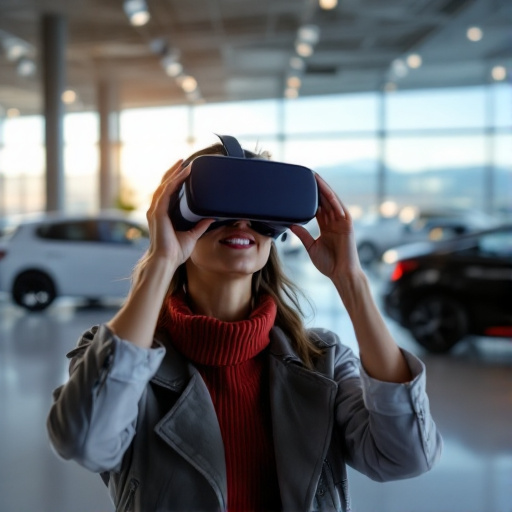
Imagine this: You’re at home in your pajamas, sipping coffee, and browsing through various car models using a VR headset. With a simple click, you are transported into a digital showroom where you can walk around, inspect the cars from all angles, and even take them for a virtual test drive. This is who you're doing business with now—this is car shopping in the digital age. A study by the Automotive News found that customers who engaged with VR technology were **25% more likely to make a purchase** than those who didn’t.
The Emotional Connection
One of the most compelling aspects of virtual reality tours is their ability to create an emotional connection between consumers and vehicles. Just as a fine piece of art can evoke feelings, experiencing a car in virtual reality allows customers to see and feel the brand's essence. For instance, Ford launched a VR experience allowing customers to virtually customize vehicles and visualize their dream features in action. Clients often report a deeper connection to the products after this engaging experience, resulting in increased customer loyalty.
Funny Stories from the Virtual Lot
Now, let’s take a moment for a chuckle. Picture this: a tech-savvy salesperson at a dealership excitedly explains how their new immersive VR experience works. But instead of wearing a headset, they accidentally place a VR headset on a mannequin standing next to the car—a tad embarrassing, right? Onlookers couldn't help but laugh when they saw the mannequin "test driving" the car, completely oblivious to the world around it. But hey, it showcased the technology's fun factor!
The Skeptic's Viewpoint
While virtual reality might sound like the future, not everyone is on board. Some skeptics argue that nothing can replace the real-world experience of physically touching or sitting in a car. However, those who engaged with VR technology point out that it provides a more thorough, comfortable way to explore options, especially during these post-pandemic times when physical closeness is minimized.
Case Study: A Successful Implementation
Consider a dealership in Southern California that adopted VR technology. After launching an immersive VR platform, sales skyrocketed by **30% within six months**. Customers who participated in the VR tours spent more time engaging with the sales team, leading to lower churn rates and higher satisfaction levels. This dealership, dubbed “Car Avenue,” was highlighted as a prime example of successfully embracing technology to enhance customer experiences.
The Future of Car Buying
As a 32-year-old writer who has experienced the rollercoaster of car shopping, I can personally attest that the process can be tedious and overwhelming. From endless paperwork to pushy salespeople, car buying isn’t always a breeze. That’s why I’m excited about the future; with the implementation of VR tours, the car buying process becomes a breeze. Virtual experiences empower consumers by allowing them to make more informed decisions without feeling pressured.
The Cost of This Transformation
You might wonder, “How much does it cost to implement such technology?” Initial investments might seem daunting—typically ranging from **$50,000 to $100,000** for smaller dealers and even higher for larger operations. However, the potential for increased sales and customer satisfaction makes a compelling argument for these investments. Plus, the decrease in overhead costs associated with physical inventory and the need for extensive lots adds a layer of financial sustainability.
Making the Experience Accessible
Virtual reality isn’t just for those who can afford top-of-the-line headsets; it’s also becoming accessible through smartphones and tablets. Companies like Hyundai have rolled out apps allowing potential buyers to use their mobile devices for an engaging VR experience. This way, customers don't need to own specialized equipment to get started—just an interest in exploring new options!
The Data-Driven Revolution
One can’t overlook how the integration of virtual reality is linked to data analytics. By tracking customer behavior within VR environments, dealerships gain invaluable insights into preferences and buying patterns. Tools like Google Analytics can be launched alongside VR platforms to measure customer interactions and adapt sales strategies accordingly. This data-driven approach allows them to ultimately tailor recommendations that meet individual customers' needs.
The New Norm: A Shift in Consumer Behavior
As we venture further into the 21st century, consumer behavior is changing rapidly. Millennials and Gen Z prioritize experiences over possessions, understanding the longevity of investments better than the previous generations. Engaging Sonic Drive-In-style promotions where customers can drive their favorite models home for a weekend after exploring their specs virtually can resonate with these younger buyers looking for memorable experiences.
Wrapping It Up with a Vision
In conclusion, the rise of virtual reality tours is enhancing car dealerships by transforming the traditional car-buying process into an engaging and immersive shopping experience. Virtual reality creates emotional connections, boosts sales, and revolutionizes consumer engagement. It is essential for car dealerships to embrace technological innovations to meet the evolving demands of consumers.
Call to Action: The Road Ahead
If you're a dealership owner, it's time to get excited and proactive. Investing in virtual reality technology isn't just about keeping up with trends; it’s about paving the way for a new generation of car buyers who expect an interactive, exciting, and informative shopping experience. After all, your customers' time and emotions are just as valuable as the cars you're selling!
So, put on those VR headsets, gear up for a ride into the future, and get ready to transform your dealership into an immersive shopping experience like no other!
Read More