Related Articles
- The Bizarre World of Car Colors: How Hue Affects Safety and Stigma on the Road
- "From Showroom to Stream: The Rise of Virtual Reality Test Drives at Dealerships"
- Selling Experiences: How Dealerships Can Transform into Immersive Automotive Entertainment Hubs
- The Surprising Impact of Your Credit Card Habits on Car Financing: What You Didn't Know!
- Unveiling the Unthinkable: How Your Social Media Posts Could Impact Your Car Insurance Premiums
- Revving Up Curiosity: The Hidden World of Celebrity Car Collectors and Their Quirky Rides
The Secret History of Car Colors: How Shades Influenced Road Safety and Cultural Trends
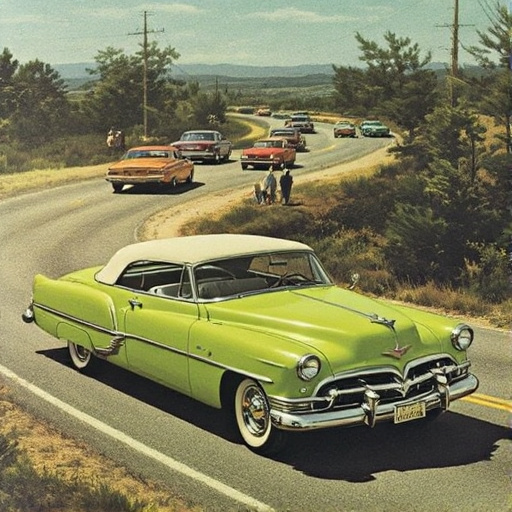
The Secret History of Car Colors: How Shades Influenced Road Safety and Cultural Trends
Car colors do more than compliment aesthetics; they play a crucial role in safety and reflect cultural trends. This article explores the intriguing history of car colors, their impact on road safety, and their role as a reflection of societal shifts over time.
The Psychological Palette: Colors and Human Behavior
Do you ever wonder why certain colors evoke specific feelings? The psychology of color is a fascinating topic, influencing everything from marketing to, yes, car colors. A study by the University of Connecticut demonstrated that humans associate bright colors with positive traits like friendliness, and vice versa for darker shades. The significance of a car color goes beyond personal preference—certain shades can enhance or inhibit visibility on the road.
A Statistical Overview
If you think color choice is a trivial matter, consider this: according to a report by the National Highway Traffic Safety Administration (NHTSA), car color does affect accident rates. For instance, white cars are about 12% less likely to be involved in accidents than black ones. The report suggests that during dawn or dusk, visibility is key, and lighter colors stand out against fading light, dramatically improving safety. So, next time you choose a car color, remember: your life—and the lives of others—may depend on it.
Evolution of Car Colors: A Historical Perspective
Historically, car color options were limited, particularly in the early 20th century. During the 1920s and 1930s, black was the dominant choice, mainly due to Henry Ford’s famous Model T, which was available only in black. The "any color as long as it's black" philosophy was practical, but it limited individuality. The post-war era witnessed a shift, where car manufacturers began offering a broader palette, reflecting a desire for self-expression during the booming consumer culture of the 1950s.
The Most Popular Car Colors Through the Decades
In the 1950s, pastel colors took center stage, symbolizing hope and opulence. According to DuPont’s annual color popularity report, turquoise and pink were all the rage. Fast forward to the 1980s, when you couldn't swing a cat without hitting a silver car, reflecting the era's high-tech aspirations. Today, data from PPG Industries shows that white remains the most popular car color globally, followed closely by black and gray. Each color speaks volumes about the cultural psyche during its peak popularity.
Case Study: The Effect of Color on Sales and Public Perception
Car manufacturers have often used color strategically to shape public perception and influence sales. For instance, in 2015, Jeep launched a special edition of its Wrangler model in the hue "Gobi," named after a desert. This color not only appealed to outdoor enthusiasts but also triggered conversations around adventure and ruggedness, ultimately contributing to a sales boost of 37% for that model year. Marketers examine color trends closely—what sells and what doesn't—transforming shade into a powerful sales instrument.
The Influence of Culture and Technology on Car Colors
The rise of technology has brought new colors into the mix. In the age of social media, where every detail of our lives is shared, car colors have taken on a new significance. Bright, vibrant hues are not just visually stimulating; they also stand out in photographs, allowing owners to express themselves and gain likes and followers. In an ironic twist, the desire for visibility has increased the popularity of colors like pink and electric blue, which might have once been considered too bold.
Road Safety: A Colorful Issue
Car color has been the subject of extensive research tied to road safety. A study by Monash University revealed that red cars have a higher likelihood of accidents compared to those in white. One explanation is that red cars are often driven more aggressively, but visibility also plays a critical role. More than just a statistics-driven analysis, this insight leads us to explore the narrative behind why certain colors are favored not only for aesthetic reasons but for crucial safety concerns.
Humor in Color Choices: The Quirky Side of Car Colors
While it may seem trivial, the quirkiest color choices can evoke laughter or concern. For example, “banana yellow” cars gained notoriety not just for their vibrant appeal but for seemingly indicating their owners' fondness for fruity humor. Some argue that these cars are eye-catching; others say they announce to the world: “I also own a fruit stand!” If laughter is indeed the best medicine, then perhaps these car colors are providing a dose of humor on the highway.
Global Variations: Car Colors Around the World
It's intriguing to note how car color preferences fluctuate from country to country. A 2021 report by Axalta Coating Systems indicates that in countries like China and India, white is overwhelmingly popular due to its association with purity and peace. Contrastingly, in the Middle East, black is the predominant choice, representing luxury and sophistication. Understanding these cultural nuances helps paint a more comprehensive picture—one that considers both safety and societal values.
From the Driver's Seat: Personal Preference vs. Safety
Choosing a car color often boils down to personal preference. But how do we reconcile personal desires with the reality of safety? Consider this anecdote: a young driver opted for a sleek black car because it felt luxurious. However, after a couple of near-misses, they began to understand the visibility factor. Ultimately, the drive towards personal expression isn't inherently wrong, but it ought to be balanced with safety considerations.
The Future of Car Colors: Trends on the Horizon
As we hurtle into the future, the trend seems to suggest that car colors will continue evolving in tandem with societal and technological shifts. With the emergence of electric vehicles, the color palette may expand to reflect innovation and sustainability. Imagine rainbow-hued Teslas cruising the streets, each vehicle telling its own story. It’s a whimsical thought that encapsulates the potential melding of technology, individuality, and a commitment to road safety.
Conclusion: The Journey of Shades and Safety
In retrospect, the secret history of car colors illuminates a fascinating interplay between aesthetics, safety, and culture. From the safety implications associated with color to the profound societal meanings imbued in each shade, the journey adds depth to our understanding of vehicles. A simple decision, such as choosing between beige and bright blue, transforms into an essential narrative that shapes our experiences on the road.
So, whether you're picking out your first car or exploring your next vehicle, remember the history, the statistics, and, most importantly, the impact your choice may have—not just on your style, but on global safety standards and cultural expressions.
Read More